
TPPID - TRANSPORTATION PLANNING SERVICES
TPPID provides professional technical tasks that support the evaluation and implementation of transportation systems in coordination with land use planning.
TPPID aims to ensure that transportation infrastructure supports efficient movement of people and goods while promoting sustainable and coordinated development of urban and rural areas.
TPPID assesses the current transportation service and potential for new transportation services to support a range of community and regional goals.
TPPID establishes a framework for identifying transportation needs and improvement options for cities, counties and communities.
TPPID identifies opportunities to improve connectivity between other transportation modes, transportation providers, and riders’ origins and destinations.
1.0 LONG RANGE TRANSPORTATION PLANNING (LRTP)
TPPID outlines a city or County transportation goals and investment priorities over a planning horizon to serve as a blueprint for developing and managing multimodal transportation systems.
TPPID ensures that the LRTP aligns with anticipated growth, economic development, environmental sustainability, and community needs with the following guidelines.
TPPID ensures that the LRTP aligns with anticipated growth, economic development, environmental sustainability, and community needs with the following guidelines.
2.0 COMPLETE STREETS PLAN

TPPID prepares a Complete Streets Plan to designate the need for a street to function not only as a transportation route for vehicles, but streets that will serve as a mechanism to connect people to places while accommodating all individuals and modes.
TPPID notes that Complete Streets are roadways that are designed to provide safe, accessible, and healthy travel for all users of our roadway system, including pedestrians, bicyclists, transit riders, and motorists.
3.0 BIKE LANES AND TRAILS



TPPID prepares a Bike and Trails Master Plan to become a desired amenity a community can offer to residents.
Trails are an appreciated amenity and they are not only recreational but also serve roles for transportation and exercise in a community.

4.0 SHORT RANGE TRANSPORTATION PLANNING
Transit Development Plan
These are for transit enhancements, bicycle and pedestrian facilities, and safety projects connected to Transit Hubs.
Service and Operations Planning
Involves detailed planning of transit services, including route structures, service frequencies, vehicle and crew scheduling, and timetable development.
Data Collection and Analysis
Entails gathering and analyzing data on travel times, ridership, service reliability, and other performance metrics to inform decision-making and improve service delivery.
Public Involvement
Engaging stakeholders to ensure that transportation projects and services reflect community needs and preferences.
5.0 TRANSIT HUB STUDIES
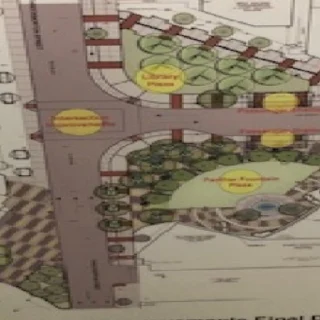
Analysis and evaluation of transportation hubs, bus stations, train stations, subway stations, and intermodal studies that assess connectivity, capacity, safety and accessibility.
Other Studies include.
- Planning new multi-modal terminals/Transit Plaza Design
- Upgrading existing transit interchange/Transit-Oriented Development (TOD)
- Designs and surveys on usage of Transit Plaza’s

6.0 PUBLIC ENGAGEMENT AND OUTREACH

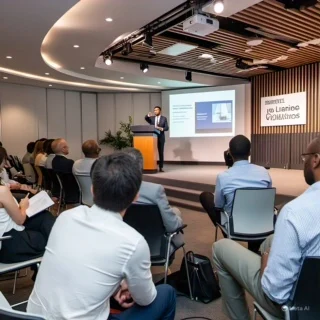
Public engagement outreach in transportation planning refers to the processes by which TPPID planners actively involve community members in shaping transportation policies, plans, this is done by the following:
- Inclusive Participation/Transparent Communication
- Feedback Mechanisms/Continuous Engagement
- Public Meetings/ Hearings/ Workshops & Focus Groups/Digital Platforms
7.0 PROJECT PLANNING AND MANAGEMENT
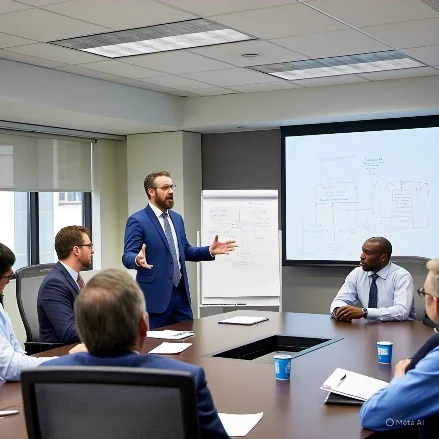
TPPID Project planning involves outlining the roadmap for achieving specific project goals. This phase includes:
Defining Objectives: Clearly stating what the project aims to achieve.
Scope Determination: Identifying the boundaries of the project, deliverables and constraints.
Task Breakdown: Dividing the project into manageable tasks and subtasks.
Scheduling: Establishing timelines for task completion.
Resource Allocation: Assigning necessary resources.
Risk Assessment: Identifying potential risks and developing mitigation strategies.
8.0 TPPID Project management
TPPID Project management is the application of knowledge, skills, tools, and techniques to project activities to meet the project requirements. It encompasses the following phases.
- Initiation: Defining the project at a broad level and obtaining authorization.
- Planning: Establishing the scope, objectives, and procedures.
- Execution: Implementing the project plan by coordinating people and resources.
- Monitoring and Controlling: Tracking, reviewing, and regulating the project’s progress.
- Closure: Finalizing all activities to formally close the project
9.0 LAND USE AND ZONING RESEARCH AND APPLICATION CONSULTANCY
We provide end-to-end consulting services to help property owners, developers, nonprofits, and public agencies research zoning feasibility, confirm development rights, and prepare/submit zoning and land-use applications across jurisdictions.
Our work reduces entitlement risk, shortens timelines, and improves approval readiness by aligning projects with local ordinances, comprehensive plans, and community expectations.
9.1 CORE SERVICES
✓ Zoning and Entitlement Research (Due Diligence)
✓ Feasibility and Strategy
✓ Application Preparation and Submittals
✓ Agency and Stakeholder Coordination
✓ Compliance and Closeout
9.2 TYPICAL DELIVERABLES
✓ Zoning due diligence memo (constraints + opportunities)
✓ Entitlement strategy and schedule (approval path, risks, milestones)
✓ Draft application narratives and findings responses
✓ Comment-response matrix and revised submittal packages
✓ Hearing presentation outline / slide deck content
✓ Special Exception Amendments
✓ Board of Zoning Appeals
✓ Comprehensive Plan Recommendations
✓ Board of Appeals/ Board of /Supervisors